×


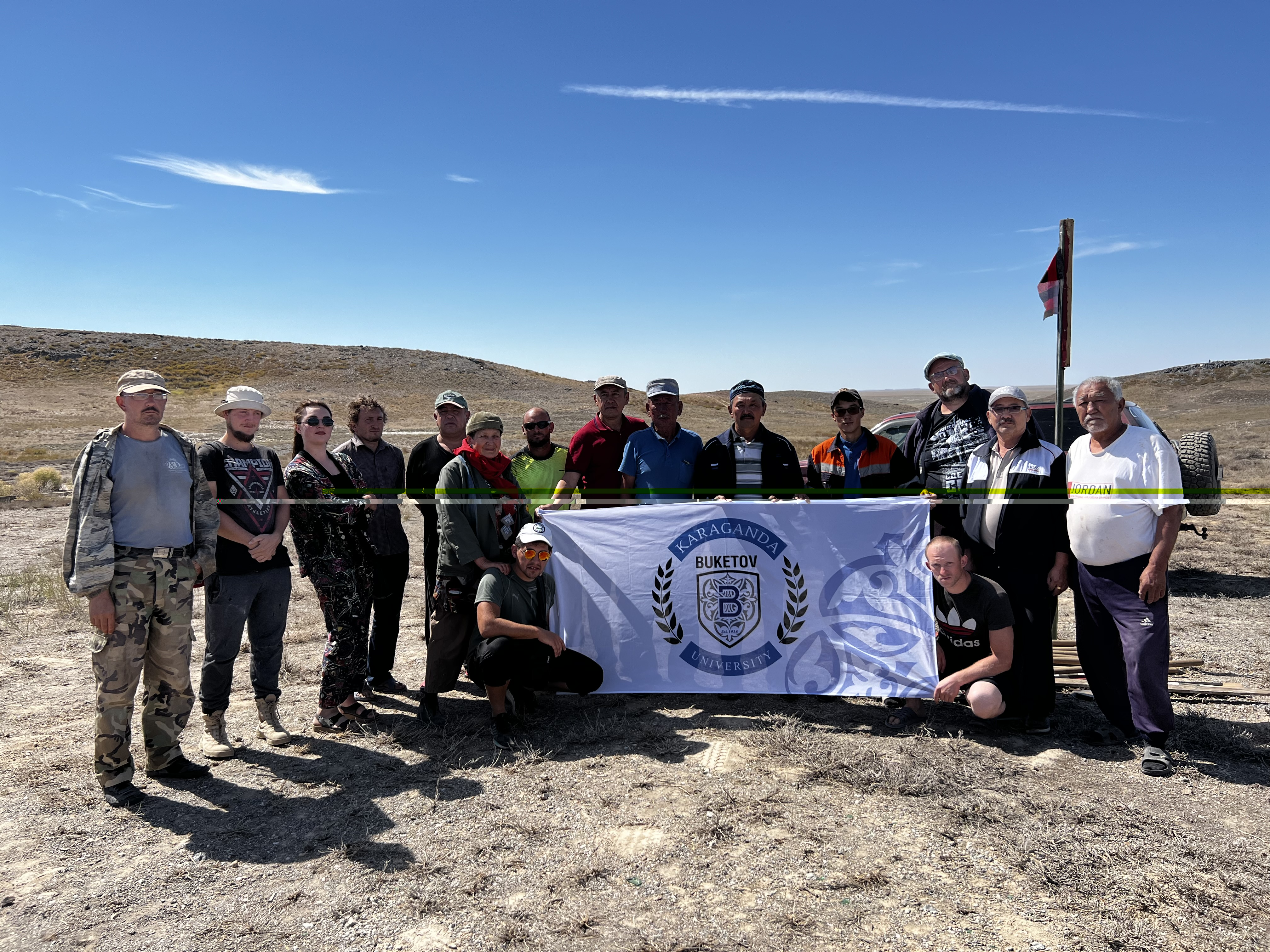
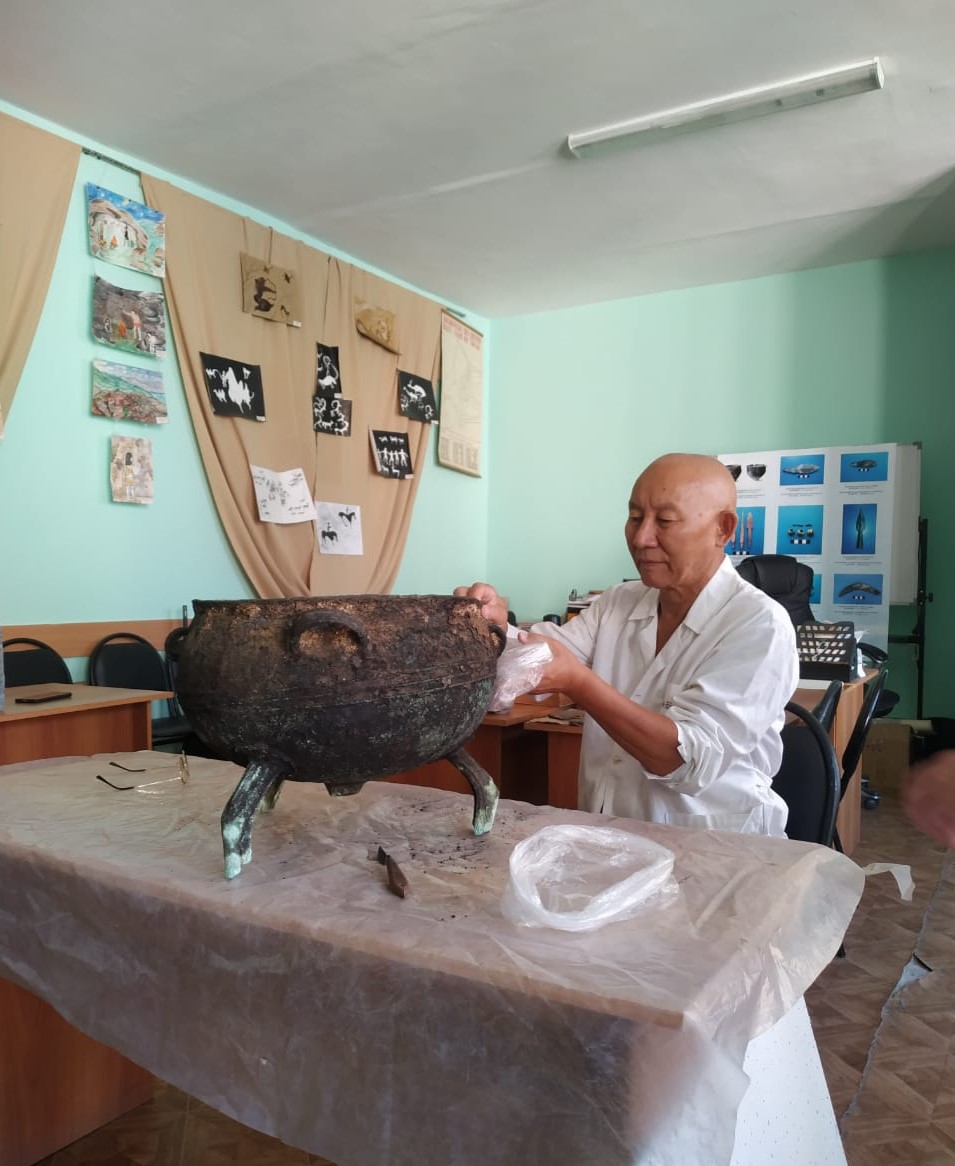
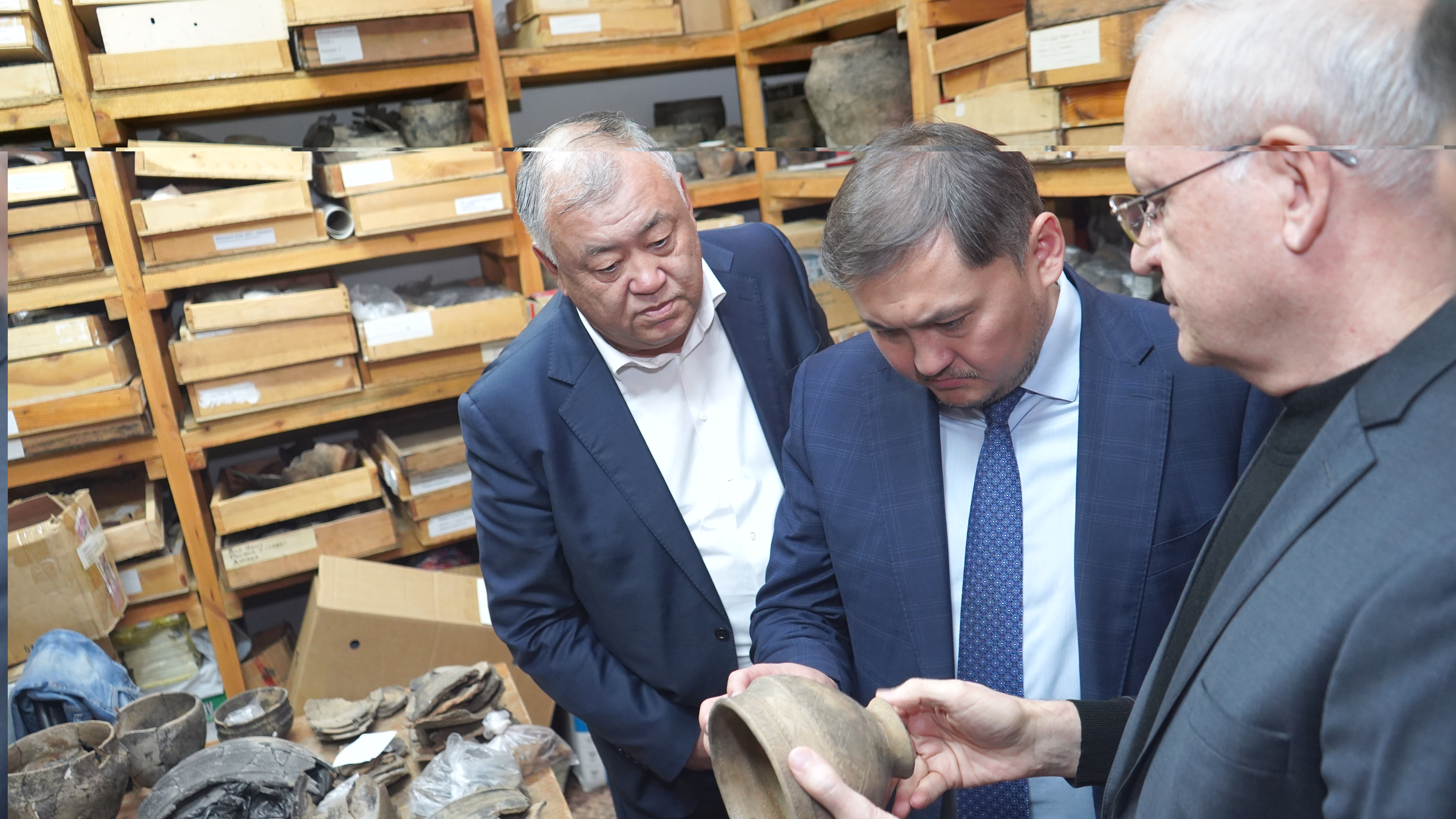
Saryarka Archaeological Institute at the Non-profit joint-stock company Karaganda Buketov University was formed in 2003 on the basis of the Department of Archeology of Central Kazakhstan. It is currently a scientific structural unit of the university, concentrating labor and material resources in order to increase the efficiency of specialized archaeological research. The structure of the institute includes the Museum of Archeology and Ethnography.
Director of Saryarka Archaeological Institute is PhD Alexey Igorevich Kukushkin, h-index Scopus: 5; Scopus Author ID: 57192093415; ORCID: 0000-0002-6262-464X
Contacts: +7 (7212)35-61-47, e-mail: sai@ksu.kz
The tasks are:
– identifying new archaeological sites and conducting scientific research;
– implementation of fundamental and applied research in the field of archeology based on a comprehensive study of archaeological cultures and monuments;
– conducting an archaeological examination in order to identify archaeological monuments at risk of destruction;
– implementation of international cooperation in the areas of activity of the institute.
Scientific directions:
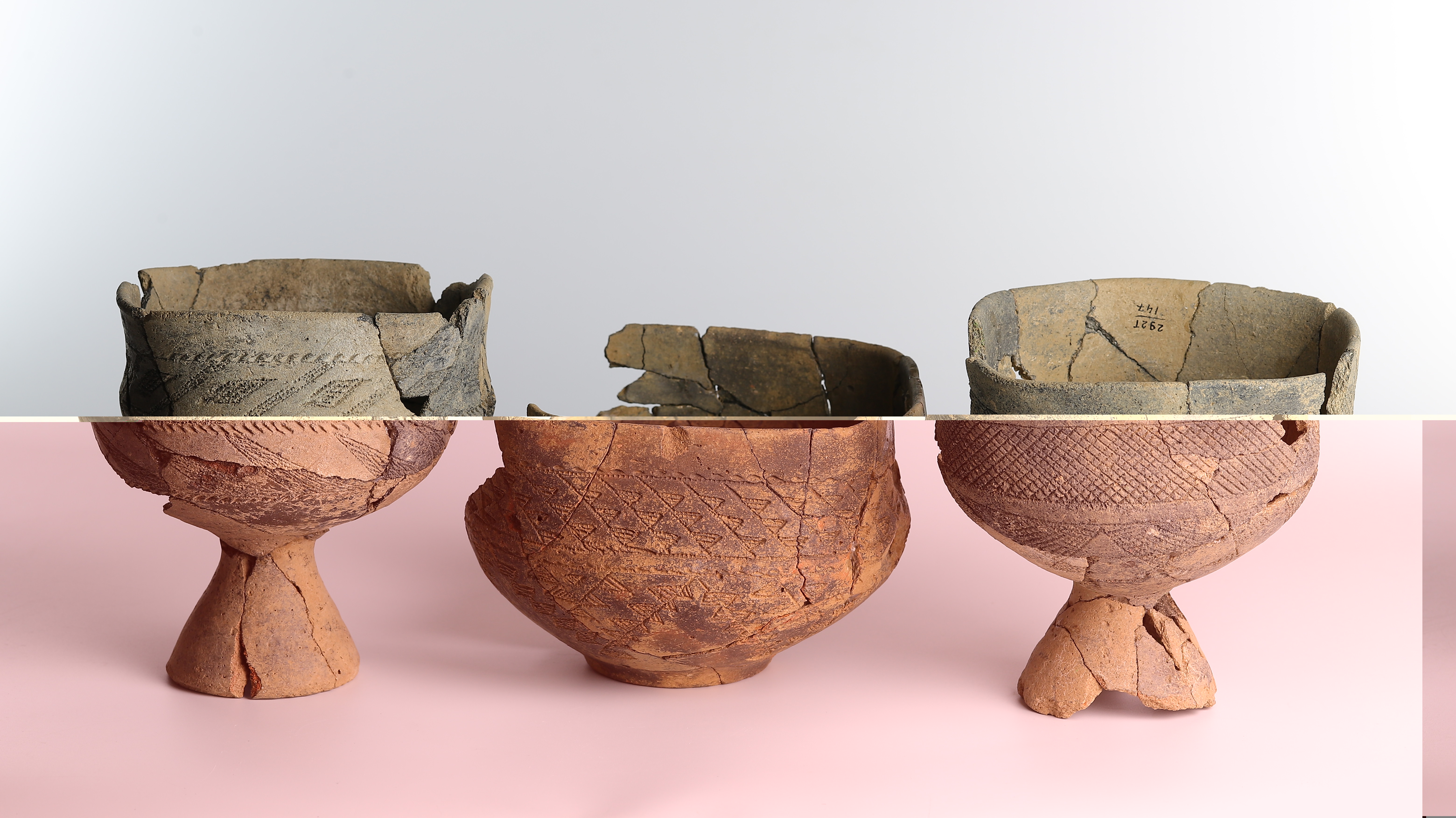
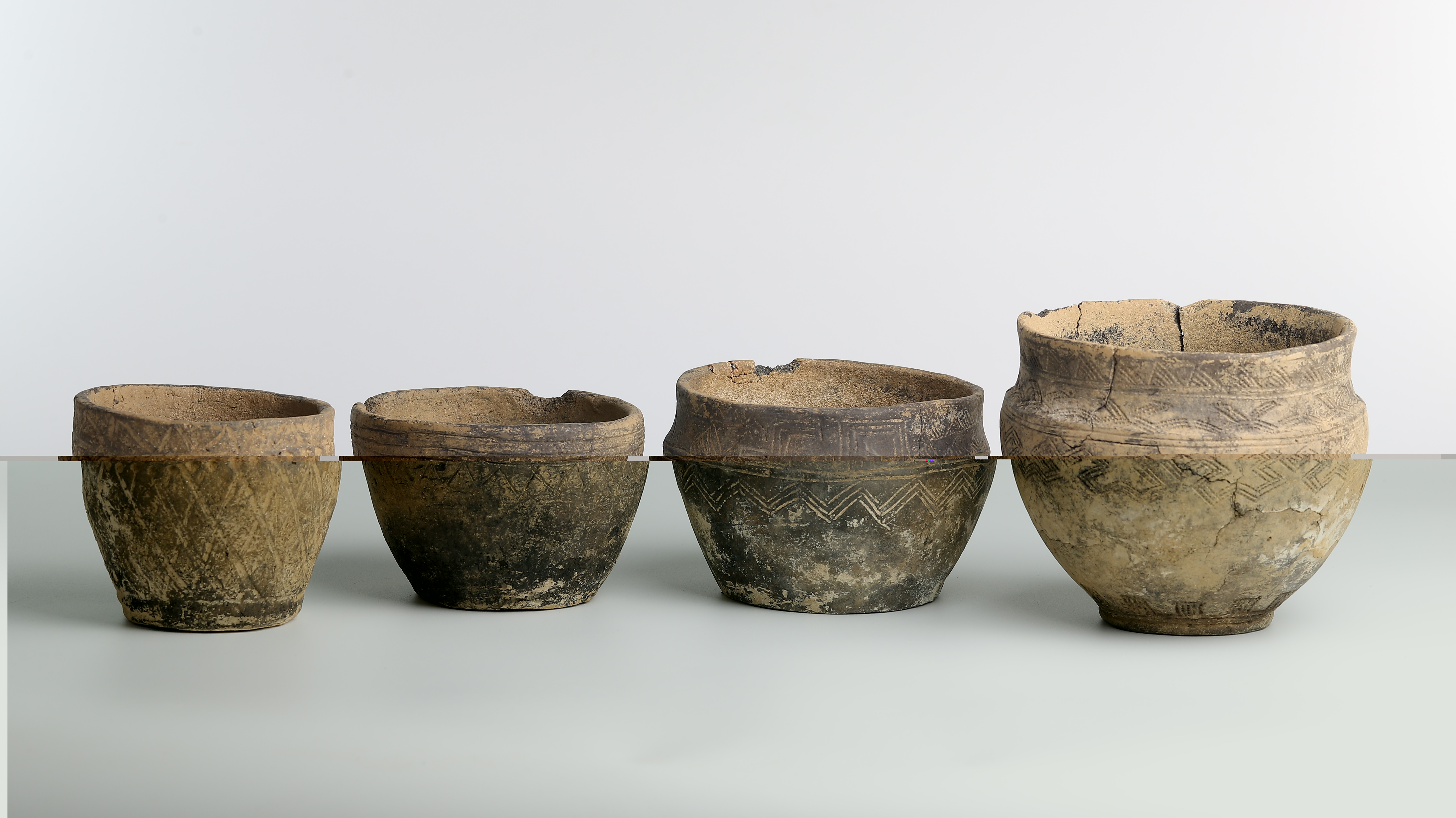
– Technology of making ceramic dishes as a source on the history of the population of Kazakhstan in the Bronze Age and Early Iron Age (Candidate of Historical Sciences V.G. Loman);
– Funeral rite and reconstruction of the social structure of the Bronze Age population of Saryarka (Candidate of Historical Sciences I.A. Kukushkin);
– Culture of the nomadic population of Saryarka in the Middle Ages: based on materials from funeral and ritual complexes (PhD A.I. Kukushkin, Master of Humanities Ye.A. Dmitriyev);
– Study monuments of the Golden Horde time on the territory of Central Kazakhstan (E.R. Usmanova);
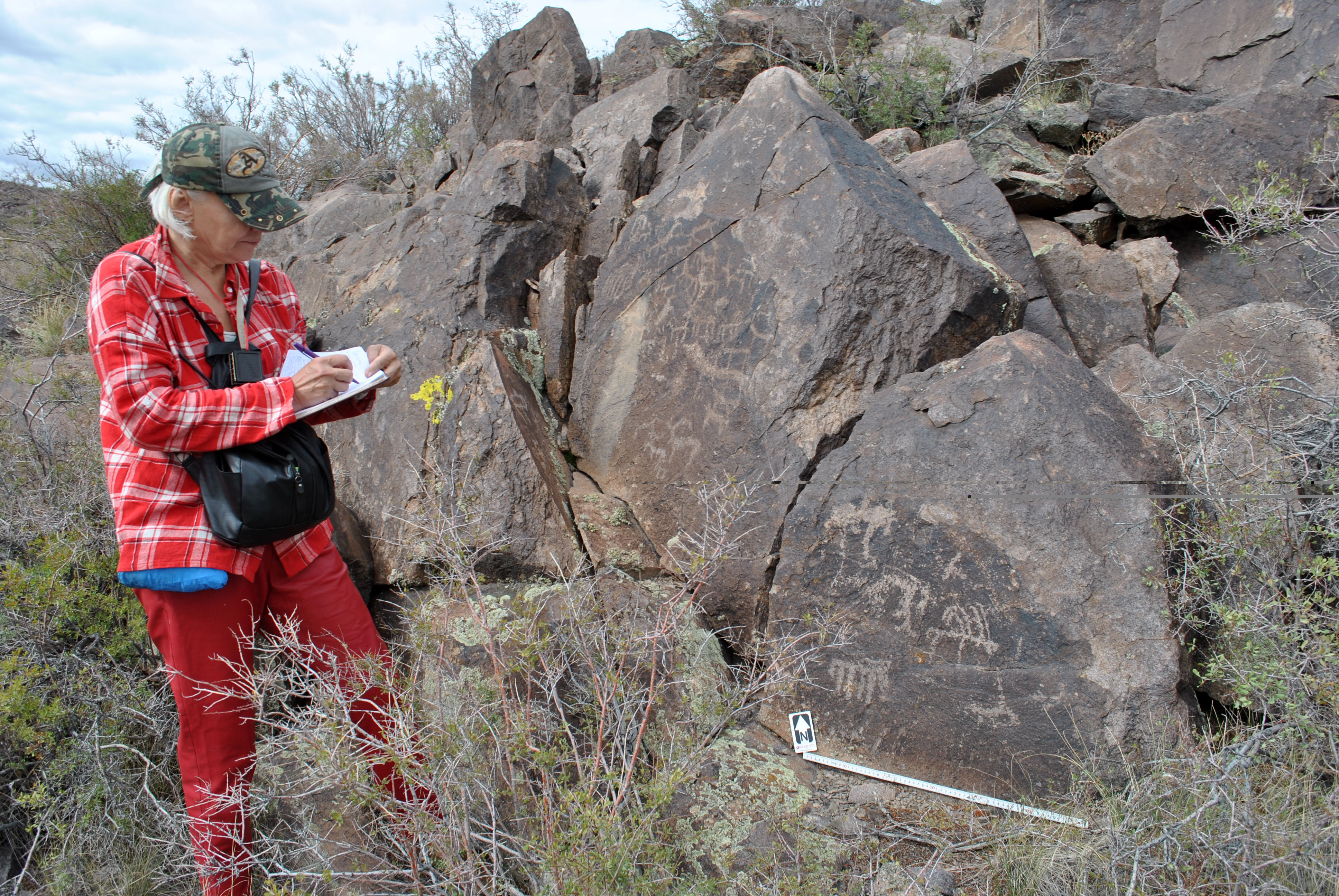
– Rock carvings of the Kazakh small hills (Candidate of Historical Sciences M.V. Bedelbayeva);
– Early Iron Age of Central Kazakhstan (PhD student Shohataev O.S.);
– Biological Anthropology (PhD student Raisova A.D.).
Scientific connections:
Institute staff:
|
№ |
Full name, position |
Academic degree |
h-index (Scopus database) |
ORCID ID |
|
Saryarka Archaeological Institute |
||||
|
1 |
Kukushkin Alexey I., director
|
PhD |
5 |
0000-0002-6262-464X
|
|
2 |
Loman Valery G., Senior Researcher
|
Candidate of Historical Sciences |
8 |
0000-0001-6951-0509
|
|
3 |
Dmitriyev Yevgeny A., Researcher |
Master of Humanities |
6 |
0000-0002-1440-7675
|
|
Museum of Archeology and Ethnography |
||||
|
4 |
Bedelbaуeva Marina V., head of the museum |
Candidate of Historical Sciences |
1 |
0000-0005-1723-4931 |
|
5 |
Kukushkin Igor A., Leading Researcher |
Candidate of Historical Sciences |
7 |
0000-0002-4798-8496
|
|
6 |
Usmanova Emma R., senior engineer |
- |
13 |
0000-0003-1625-5086 |
|
7 |
Shohataev Oljas S., senior engineer |
Master of Humanities |
- |
- |
|
8 |
Raisova Aikumis D., senior engineer |
Master of Humanities |
- |
- |
Main publications:
Scopus database:
Morten E. Allentoft, … Emma R. Usmanova et all. Population genomics of postglacial Western Eurasia // Nature. – Vol. 625 (2024), (Q1, CiteScore: 83,3);
Дмитриев Е.А., Касеналин А.Е., Кукушкин А.И. Средневековые захоронения могильника Талдинский-1 // Поволжская Археология № 2 (48) 2024, (Q2, CiteScore: 0,5);
Кукушкин И.А. Этнокультурные процессы на территории Центрального Казахстана в эпоху поздней бронзы // Stratum plus. – №2 (2023), (Q1, CiteScore: 0,5);
Finn A. Schreiber, Olga N. Korochkova, Igor K. Novikov & Emma R. Usmanova (2023): Radiocarbon Dating of Late Bronze Age Burials from the Great Urals (Steppe Trans Urals and Northern Kazakhstan) and Bayesian Modeling // Journal of Field Archaeology, (Q1, CiteScore: 4,0);
Кукушкин А.И., Дмитриев Е.А., Макен А.Б., Шохатаев О.С. Белагаш – новый памятник кыпчакского времени в Центральном Казахстане// Oriental Studies. – №4 (2023), (Q1, CiteScore: 0,4);
Блинов И.А., Ломан В.Г. Исследование золотого декора украшений из могильников Сатан, Копа, Бозинген, Нуркен, Ташик, Акимбек (Центральный Казахстан) методом РФА // Краткие сообщения Института археологии. – 2023 (271), (Q1, CiteScore: 0,4);
Fomin V.N., Usmanova E.R., Gyul E.F., Kelesbek N.K., Turovets M.A., ZemskiyO.I., . . . Aldabergenova S.K. Method for Qualitative and Quantitative Analysis of Ancient Lead Enamel Using Laser Inducted Breakdown Spectroscopy // Bulletin of the University of Karaganda-Chemistry. – №4 (2022), (Q1, CiteScore: 0,7);
Panyushkina I.P., Usmanova E.R., Uskenbay K.Z., ...Akhatov G.A.Chronology of the Golden Horde in Kazakhstan: 14c dating of Jochi Khan Mausoleum // Radiocarbon, 2022, 64(2), (Q1, CiteScore: 15,3);
Librado P., Usmanova E.R., Loman, V., Kukushkin I.A. et all. The origins and spread of domestic horses from the Western Eurasian steppes // Nature. Vol. 598. – 2021, (Q1, CiteScore: 83,3);
Ananyevskaya, E., Akhatov, G., Loman, V., ...Yarygin, S., Motuzaite Matuzeviciute, G. The effect of animal herding practices on the diversity of human stable isotope values in North Central Asia // Journal of Archaeological Science: Reports, 2020, (Q1, CiteScore: 2,8);
Degtyareva, A.D., Kuzminykh, S.V., Loman, V.G., ...Kukushkin, A.I., Dmitriev, E.A. Metal vessels of the Bronze Age in Kazakhstan // Journal of Archaeological Science: Reports, 2019, (Q1, CiteScore: 2,8);
Muhlemann, B., Jones, T.C., de Barros Damgaard, P., ... Usmanova E.R., Loman, V. G., Kukushkin I.A. Erratum to: Ancient hepatitis B viruses from the Bronze Age to the Medieval period // Nature, 2018, 562(7726), (Q1, CiteScore: 83,3);
de Barros Damgaard, P., Martiniano, R., Kamm, J., ... Usmanova E.R., Loman, V. G., Kukushkin I.A. The first horse herders and the impact of early Bronze Age steppe expansions into Asia // Science, 2018, 360(6396), (Q1, CiteScore: 57,8);
De Barros Damgaard, P., Marchi, N., Rasmussen, S., ... Usmanova E.R., Loman, V. G., Kukushkin I.A., Dmitriev E.A., Kukushkin A.I. 137 ancient human genomes from across the Eurasian steppes // Nature, 2018, 557(7705), (Q1, CiteScore: 83,3).
Monographs:
Кукушкин А.И., Бедельбаева М.В., Ломан В.Г., Дмитриев Е.А., Кукушкин И.А., Гусев И.В. Фотоальбом «Керамические сосуды эпохи бронзы». – Караганды, 2024. – 250 с.;
Воякин Д.А., Усманова Э.Р. Горно-металлургический комплекс Бозшаколь. – Алматы, 2023. – 282 с.;
Кукушкин И.А., Кукушкин А.И., Дмиртиев Е.А. Фотоальбом «Талдинский историко-археологический парк». – Караганды, 2022. – 144 с.;
Ломан В.Г., Бейсенов А.З., Евдокимов В.В., Тулеуов Т.С., Кукушкин А.И.,
Мәкен Ә.Б. Археологическая карта Каркаралинского района. – Караганды, 2021. – 277 c.;Варфоломеев В.В.,Кукушкин И.А., Кукушкин А.И., Мәкен Ә.Б., Дмитриев Е.А., Әлкей Е.А., Шохатаев О.С.
Археологическая карта Шетского района. – Караганды, 2018. – 185 с.;Кукушкин А.И., Дмитриев Е.А., Жармаганбетов Т.К.,
Шохатаев О.С., Жусупов Д.С. Қарағанды облысы Ақтоғай ауданының археологиялық картасы. –Қарағанды, 2017. – 159 б.;
Варфоломеев В.В., Ломан В.Г., Евдокимов В.В. Кент – город бронзового века в центре казахских степей. – Астана, 2017. – 338 б.;
Бедельбаева М.В., Новоженов В.А., Новоженова Н.В. Изобразительные памятники Казахского мелкосопочника. – Караганда, 2015. – 252 с.
Current projects:
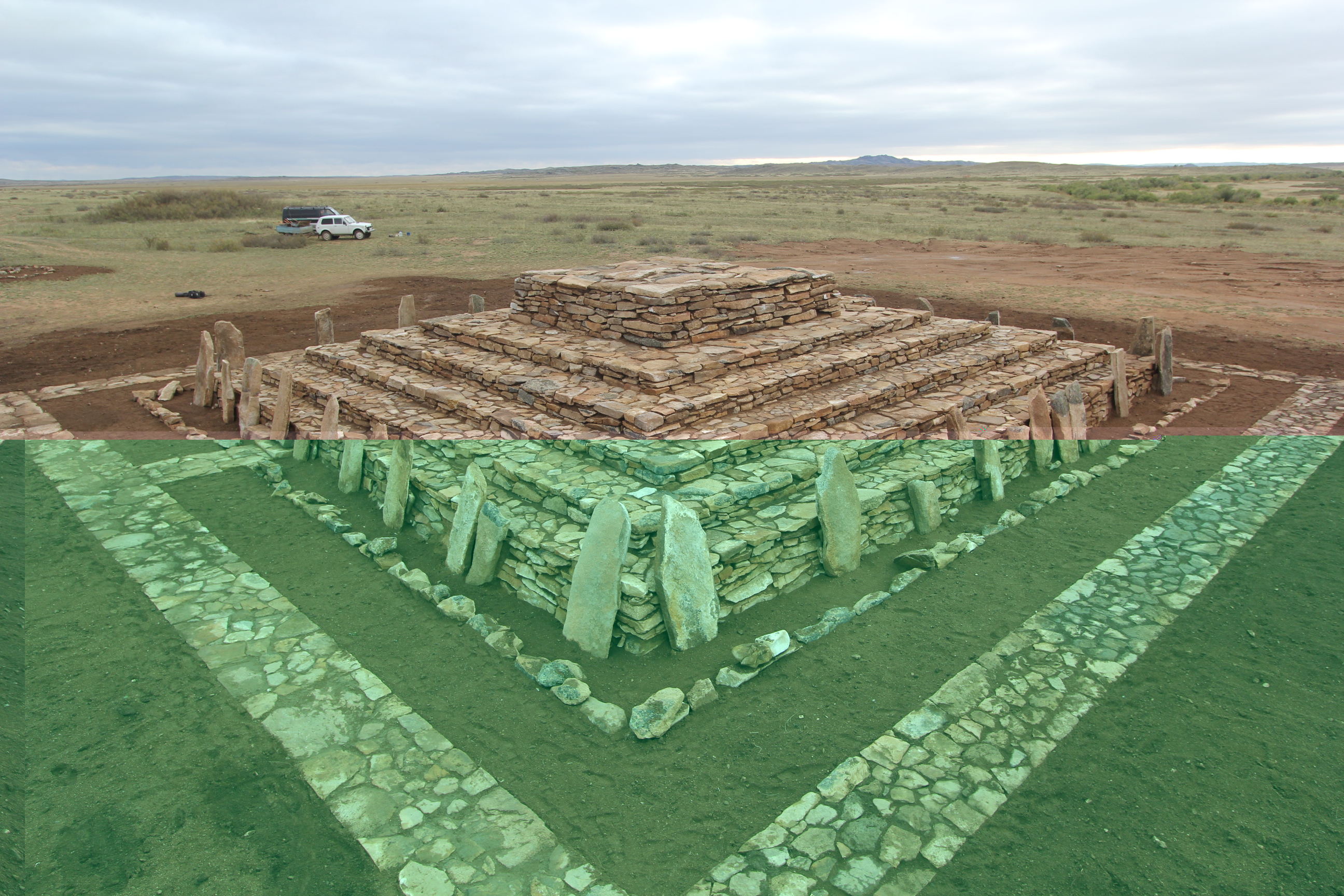
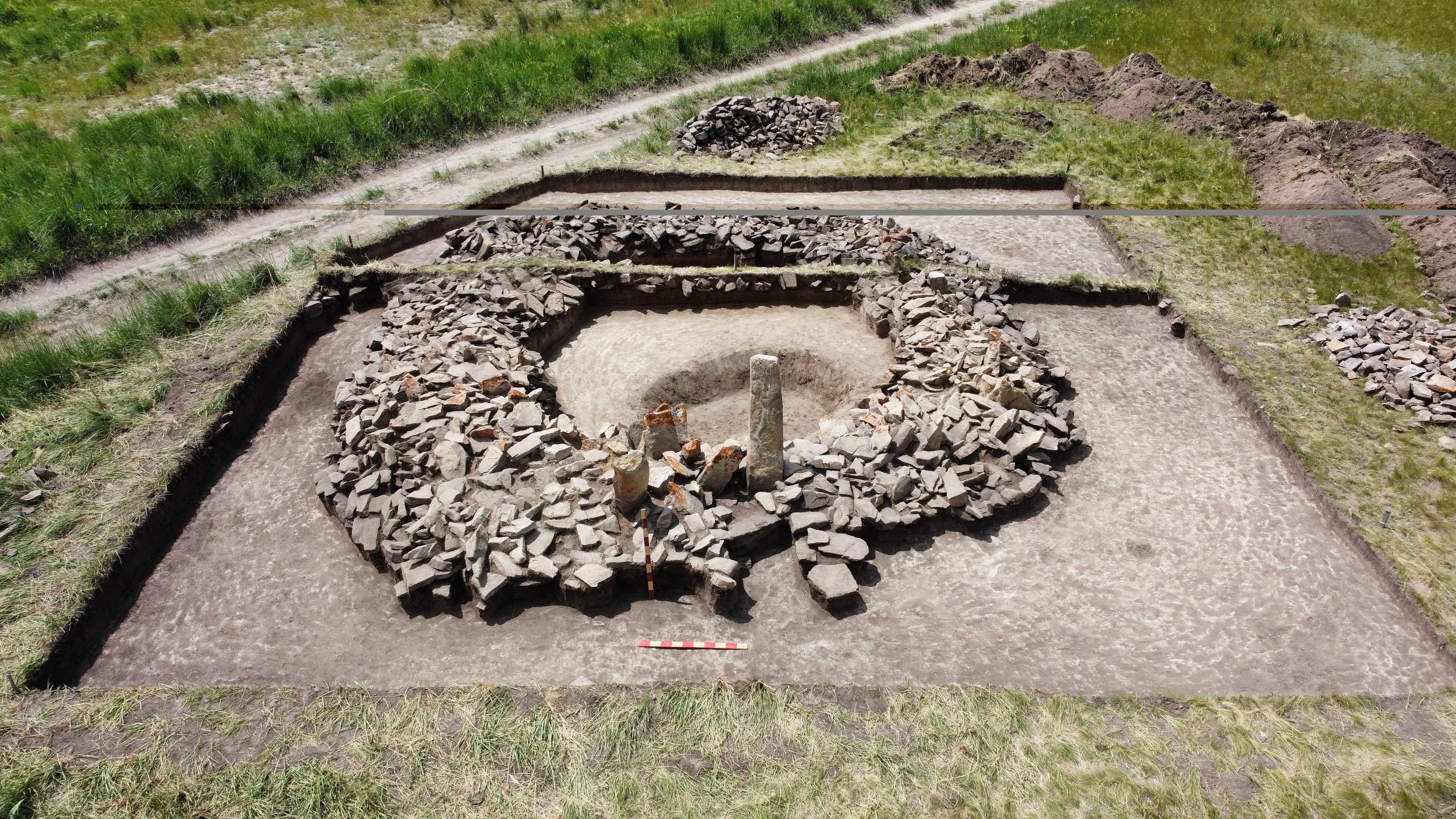
1. Project of the Ministry of Education and Science of the Republic of Kazakhstan for 2022-2024 « Identification of visual cultural diagnostic markers of stone mounds of the early Iron Age and the Middle Ages in Central Kazakhstan» (supervisor is A.I. Kukushkin).
The project implementation consists of studying the regionally relevant problem of identifying external markers of cultural identification of a widespread type of structures - stone uncovered burial mounds, which, according to the results of a number of field studies, contain both burials of the early Iron Age and the Middle Ages, covering the period of the 1st millennium BC - 1st millennium AD. The implementation of the declared project through fairly large-scale excavations (at least 30 structures in 3 years) will allow obtaining a sufficient factual basis for a positive solution to the issue of identifying external (visual) markers of differences in architectural plan, spatial localization and planigraphy, as well as accumulating new materials on the culture of the nomads of Central Kazakhstan.
2. Project of the Ministry of Education and Science of the Republic of Kazakhstan for 2022-2024 «The transition from the Bronze Age to the Early Iron Age on the territory of Saryarka: identifying the specifics of the cultural complex» (supervisor is V.G. Loman).
The formation of transitional complexes is associated with a change in the natural and climatic situation in the steppe zone of Kazakhstan at the turn of the II-I millennia BC, the search and development of new areas of economic activity, the restructuring of the economy and the beginning of iron development. Based on materials of the Dongal type, a clear genetic connection can be traced between the cultures of the Final Bronze Age and the Early Iron Age. The task of finding and substantiating this connection is one of the most important ones for archaeology.
3. Project of the Ministry of Education and Science of the Republic of Kazakhstan for 2023-2025 «Reconstruction of cultural and historical landscapes of ancient Betpakdala» (supervisor is M.V. Bedelbayeva).
The project is aimed at studying the cultural and historical landscapes of little-explored locations in Betpakdala. The peculiar low-relief Betpakdala plateau is a desert space stretching from the western coast of Lake Balkhash to the lower reaches of Sarysu. In the south it is limited by the valley of the middle and lower reaches of the Shu River. In the north - by high and dissected massifs of the Kazakh hillocks. Traditional environmental management in the conditions of semi-desert territory and arid climate was difficult. Nevertheless, this region was included in the economic cycle of the population since ancient times, as directly evidenced by the caravan routes connecting Central and Southern Kazakhstan. During scientific expeditions, archaeological sites were discovered confirming the human development of these territories, poorly adapted for life. However, there are significant territorial disparities in archaeological research. Part of Northern Betpakdalawas quite well explored by archaeological expeditions, however, the territory from Karazhal to Priozersk today represents a kind of “blank spot”: no more than ten monuments are indicated on the archaeological map, and only three objects are included on the map of immovable monuments of material culture of Central Kazakhstan (winterings of the XVII-XVIII centuries).
instagram: archaeological_institute_kbu
facebook: Saryarka Archaeological Institute of Karaganda Buketov University