×


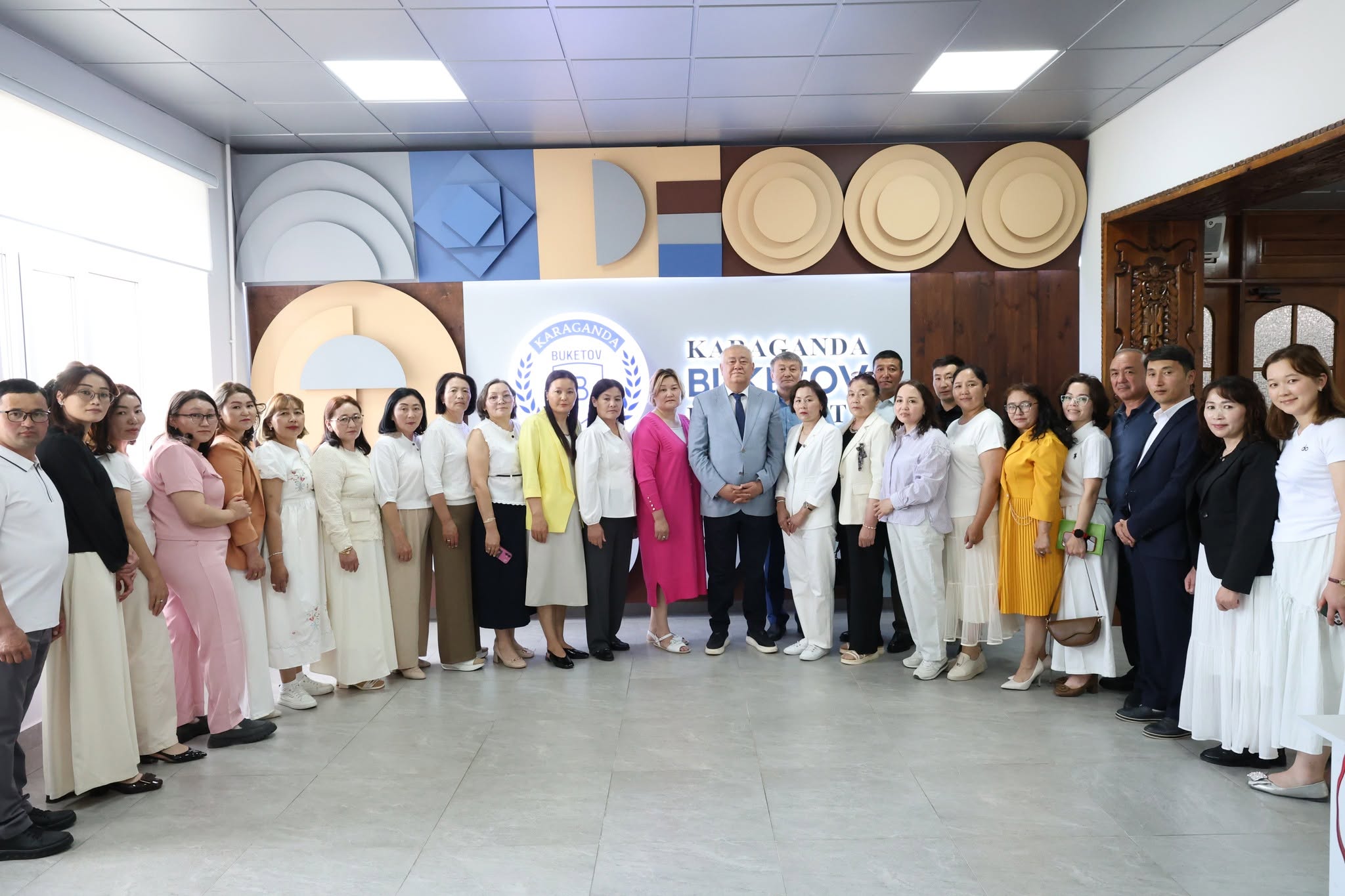
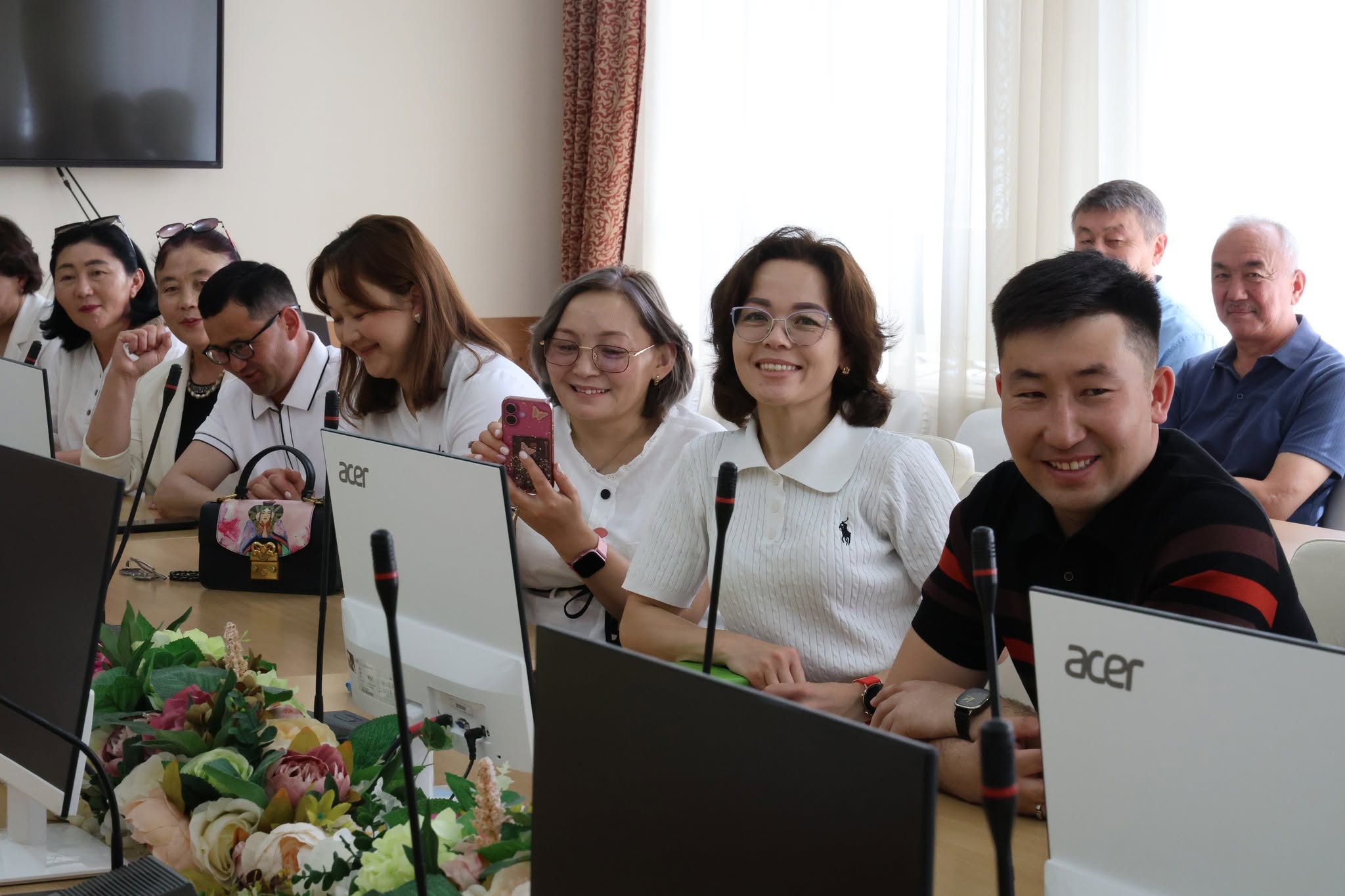
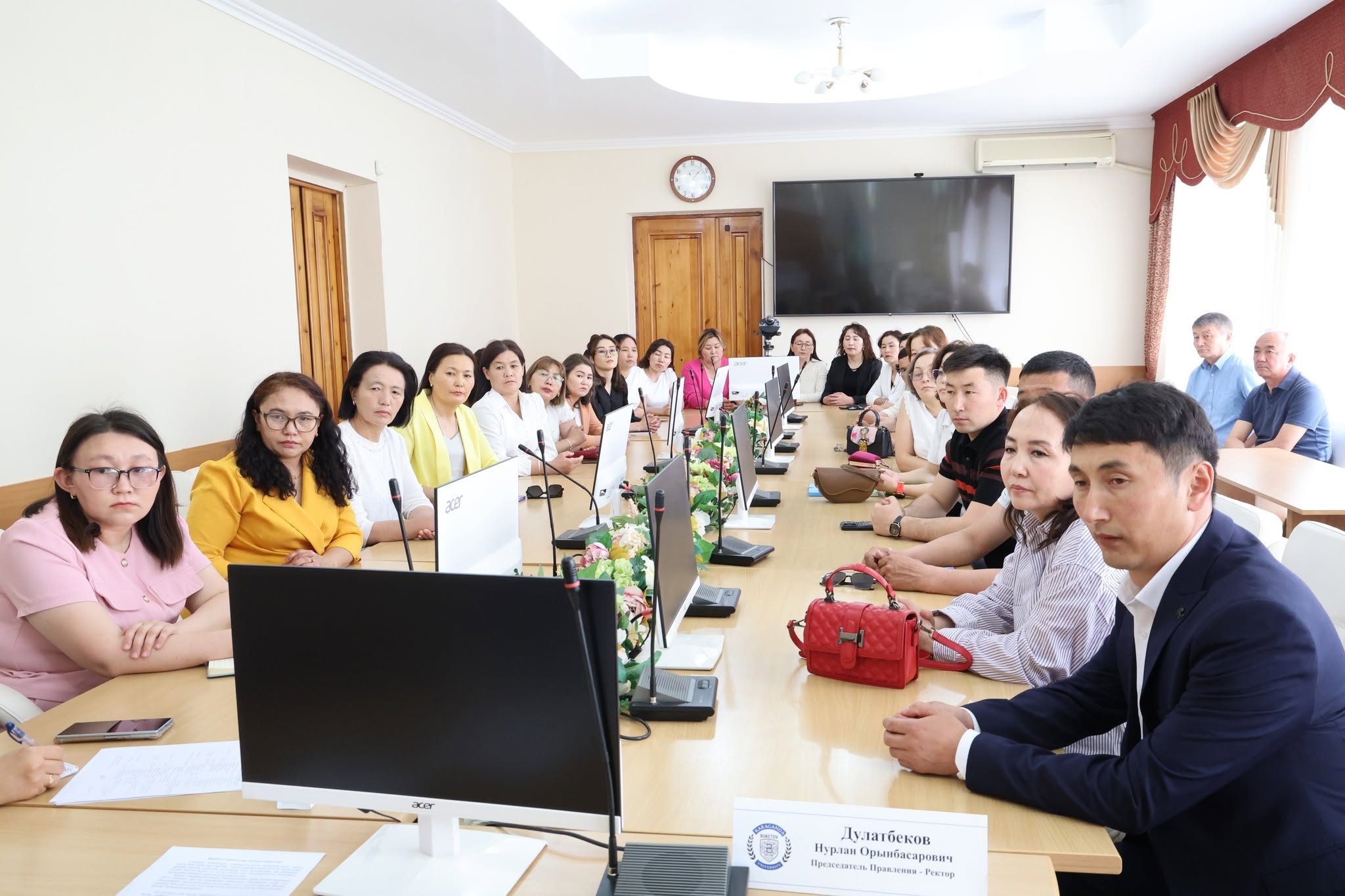
Today, N.O. Dulatbekov, Rector of KarNIU named after Academician E.A. Buketov, met with representatives of the Mongolian delegation, who arrived at the university from the Bayan-Ulgei aimag (Mongolia) to attend advanced training courses.
During the conversation, the guests expressed interest not only in current developments in education and science but also in the socio-political development of modern Kazakhstan.
The delegation's attention was particularly drawn to the constitutional reforms of recent years, as well as the activities of the Kurultai of the Republic of Kazakhstan and its role in strengthening public dialogue and national unity.
During the meeting, the main provisions of the new Constitutional Law "On the Kurultai of the Republic of Kazakhstan and the Status of its Deputies," which defines the activities of the Kurultai as the country's highest representative and legislative body, were discussed. Participants were briefed on the formation of the Kurultai, its legislative powers, mechanisms for parliamentary oversight, interaction with the Government, as well as the role of deputies in personnel appointments and ensuring a balance between the branches of government.
Mongolian representatives were particularly interested in the following:
the formation of the parliamentary corps;
the powers of the Kurultai to oversee the activities of the Government;
the procedure for expressing a vote of no confidence;
the participation of deputies in the appointment of senior government officials;
ensuring the independence of the judiciary.
Delegation members also inquired about the interactions between the President and the Kurultai,
the role of the parliamentary opposition in decision-making, mechanisms for drafting and adopting laws,
as well as issues of parliamentary ethics and the responsibility of elected representatives.
The meeting concluded with an open exchange of views, during which the guests received comprehensive answers to all their questions and noted the importance of the political reforms being carried out in Kazakhstan for the further strengthening of democratic institutions and the development of public administration. Such meetings contribute to the development of international cooperation, the exchange of experience, and the strengthening of friendly ties between Kazakhstan and Mongolia.